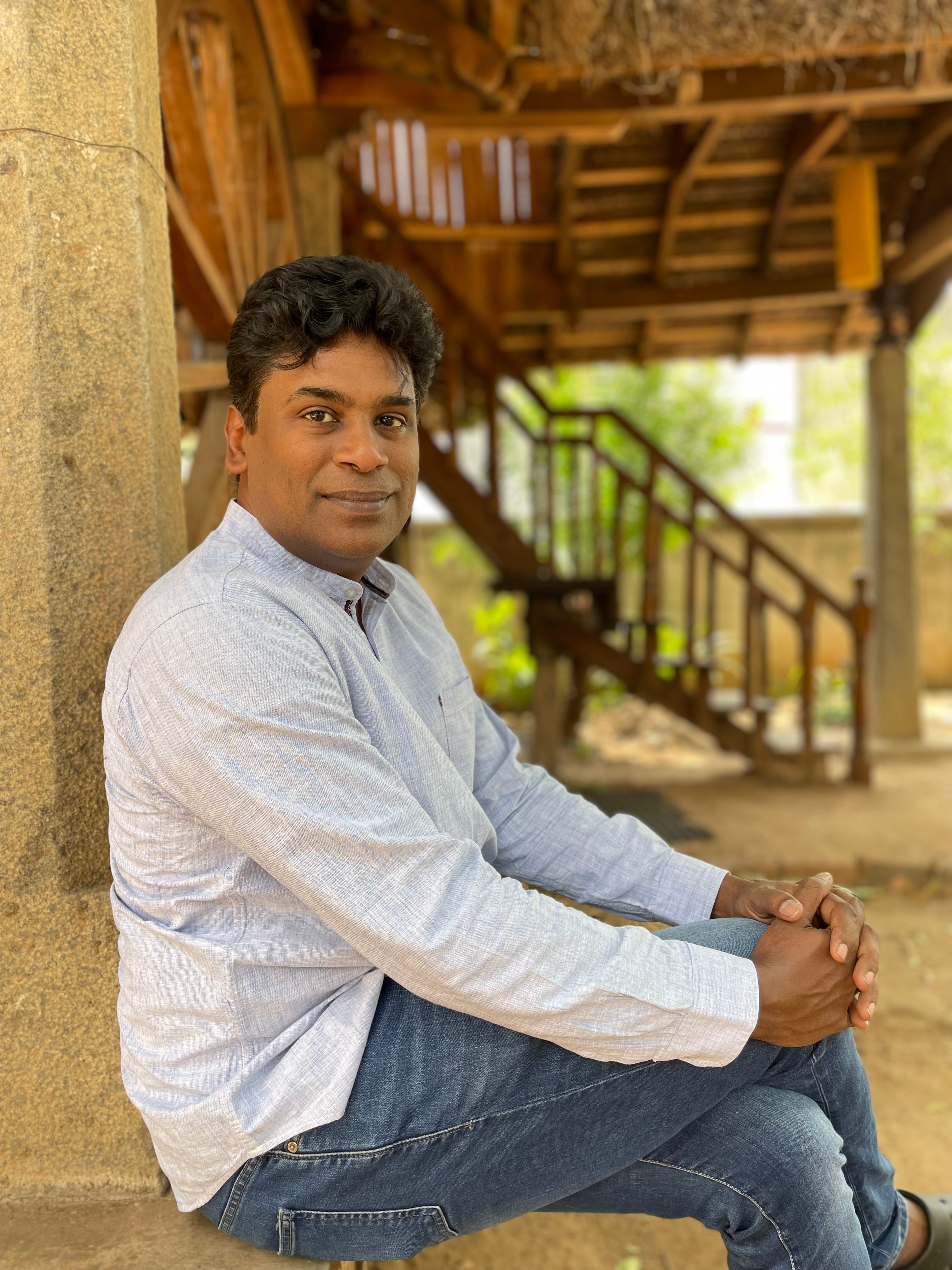
Imagine being a child, staring into the mirror, only to hear cruel taunts ricocheting from every corner of your world.
“You look like the blackest oil pot!”
“Darkie!”
These weren’t just from strangers—they came from family, friends, even so-called enemies. The ridicule was relentless, chipping away at self-worth, all because of the shade of my skin.
My own mother, in a misguided act of love, would coat my face with powder before school. I’d leave home looking ghostly, stripped of the color I was born with. It was a daily ritual of erasure, a silent declaration that my natural hue was something to hide. In a society obsessed with fairness creams and pale ideals, I felt invisible.
Then, like lightning splitting the sky, Rajinikanth burst onto the silver screen—and everything changed.
This isn’t just my story. It’s the story of millions battling the deep-rooted demon of colorism in India. At the heart of this shift stands one man: Thalaivar, the Boss, the Superstar—Rajinikanth. His journey didn’t just inspire; it detonated a cultural quake, proving that true magnetism comes from within, not from the shade of your skin.
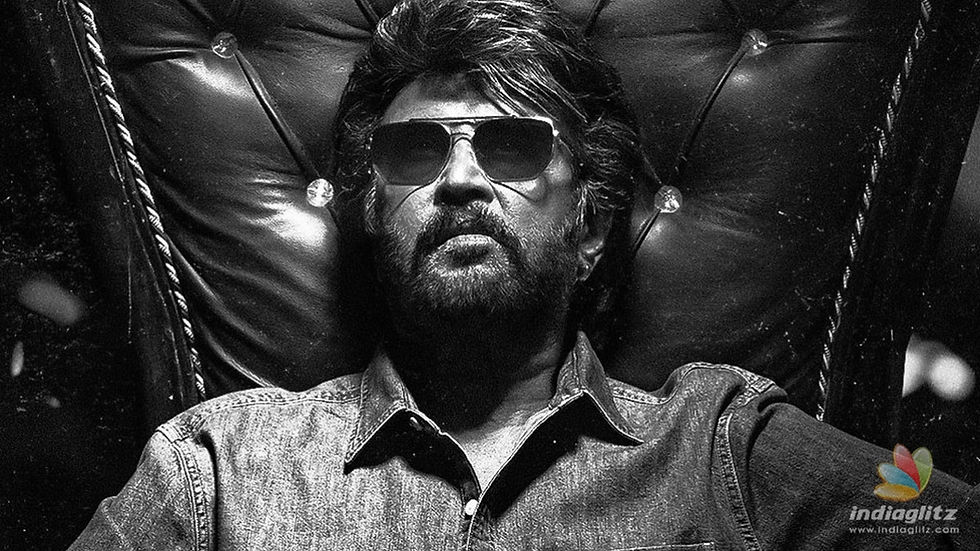
The Humble Spark: From Bus Conductor to Box-Office Dynamo
Born Shivaji Rao Gaikwad in 1950, Bangalore, Rajinikanth’s early life was far from cinematic glamour. Raised in a modest Marathi family, he lost his mother at just nine. He worked odd jobs—a coolie, then a bus conductor for the Bangalore Transport Service—yet a quiet fire burned inside.
At Ramakrishna Math, he immersed himself in Vedas, history, and spirituality, while school plays revealed his knack for performance. His turn in a Mahabharata skit earned praise from poet D.R. Bendre, planting the seed for something bigger.
That seed sprouted at the Madras Film Institute, where director K. Balachander spotted him. Renamed “Rajinikanth,” he debuted in Apoorva Raagangal (1975). Villain roles came first—the cigarette-flipping bad guy in Moondru Mudichu(1976)—but by 1977’s Bhuvana Oru Kelvi Kuri, he was stepping into heroic leads.
In a film industry that idolized fair-skinned heroes, Rajinikanth’s dark complexion wasn’t just accepted—it became his signature. As one fan famously put it, “He was the hero who broke the stereotype.”
The Style Tsunami: Swagger That Broke Barriers
The 1980s saw Rajinikanth erupt like a cinematic volcano. Billa (1980) remade Amitabh Bachchan’s Don with unmatched swagger. Moondru Mugam (1982) brought him triple roles and state awards. Bollywood hits like Andhaa Kaanoon (1983) widened his reach.
Then came the megaton hits—Baashha (1995), Muthu (1995), Padayappa (1999)—cementing his god-like status. Muthu became the first Tamil film to conquer Japan. Later blockbusters like Sivaji (2007), Enthiran (2010), and 2.0(2018) shattered budgets and records. In 2023, Jailer crossed ₹600 crore, making him the only Tamil actor with two ₹500 crore films.
What set him apart? That electric style. The cigarette toss. The sunglasses flip. Punch dialogues like, “Naan oru thadava sonna, nooru thadava sonna mathiri” (“If I say it once, it’s like saying it a hundred times”). His very title card—“Superstar Rajinikanth”—was a theater event.
While colorism still shadows Indian cinema, Rajinikanth’s reign proved that charisma, not complexion, is the currency of stardom. And in doing so, he gave silent permission to millions of dark-skinned Indians—especially children who grew up hiding behind powder and self-doubt—to stand in the light without apology. His unapologetic pride in his appearance rewired how we saw ourselves: not as people lacking something, but as individuals carrying a unique presence no fairness cream could ever give. On screen, he didn’t “overcome” his skin tone—he celebrated it, making it impossible for fans not to see beauty and strength reflected back at them.
The Spiritual Ascent: From Screen Icon to Sage
Rajinikanth’s appeal goes far beyond the box office. A lifelong seeker shaped by his Ramakrishna Math days, he often retreats to the Himalayas for meditation and reflection. He supports social causes, donates generously, and leads with humility.
In public life, he appears exactly as he is—bald head, uncoloured hair, no make-up. In an industry where stars cling fiercely to youthful illusions, such authenticity is rare. He doesn’t fear losing fans by showing his real self. On screen, he’ll don wigs and costumes because audiences enjoy that larger-than-life persona. But off screen, he strips it all away, letting people see the man behind the image. In doing so, he quietly teaches millions to distinguish between their self-image rooted in character and values, versus one built on pride, ego, or vanity.
He also speaks about God and creation with awe, offering a counterpoint to the cultural drift that equates modernism with “do as you please” and the erosion of moral boundaries. His words and example remind people that true freedom thrives within the guardrails of morality, not in the absence of it. In his art, he embodies chaos in creativity—wild, unpredictable, magnetic—but always guided by discipline and an unshakable recognition of humanity’s smallness before the vast grandeur of nature and God.
Awards—from the Dadasaheb Phalke (2020) to the IFFI Centenary—celebrate not just his craft but his cultural impact. His fans don’t just watch his movies; they follow his life philosophy, embracing self-respect and inner strength.
The Ripple Effect: One Man, Millions of Mirrors
For me, watching Rajinikanth wasn’t just entertainment—it was liberation, as a boy. His confidence translated into mine became my armor. His success dismantled centuries of prejudice, allowing an entire generation to stand taller.
Even in a world still tangled in fairness myths, his story is a beacon. In his words: “En vazhi thani vazhi”—My way is a unique way. And what a way it is.